
Welcome To Our Website
Barbie and Ken Embrace Realism: A Shift in Toy Representation
Key Takeaways
- Barbie and Ken’s new designs reflect real-life proportions.
- This change addresses growing consumer demand for diversity.
- Realistic toys promote positive body image among children.
- Southeast Asia sees rapid growth in the demand for inclusive toys.
- Increased focus on realism aligns with educational trends in play.
The Evolution of Barbie and Ken
The iconic Barbie and Ken dolls have undergone a remarkable transformation in recent years. Originally designed with exaggerated features, these dolls are now being crafted with more realistic proportions. This evolution is not merely a trend but a response to the changing values of parents and children alike, emphasizing the importance of inclusivity and diversity in play.
According to market research, consumers are increasingly seeking toys that reflect the real world. In Southeast Asia, particularly in countries like Indonesia and Malaysia, there has been a noticeable shift in preferences. Parents are looking for dolls that their children can relate to, sparking a demand for products that promote a healthy body image and a sense of belonging.
Consumer Trends in Southeast Asia
The Indonesian market is particularly noteworthy, with cities like Jakarta, Surabaya, and Bali leading the charge in adopting more inclusive toy ranges. In recent months, sales of dolls that celebrate diverse body types and ethnic backgrounds have surged. This shift reflects a broader cultural change whereby parents are more conscious of the messages communicated through their children’s toys.
Why Realism Matters Now
The current landscape of children's toys is being reshaped by a desire for authenticity. As children grow up in a world that increasingly values diversity, it is critical that their toys mirror this reality. For example, dolls with different skin tones, body types, and abilities are not just trendy; they are necessary for fostering empathy and understanding among young playmates.
Research indicates that children benefit from exposure to diverse representations in play, leading to better social interactions and improved self-esteem. As the toy industry adapts to these findings, brands are prioritizing designs that resonate with today’s audiences, ultimately shaping the future of children's play.
Impacts on the Toy Industry
This newfound emphasis on realism has broader implications for the toy industry. Companies are investing in research and development to produce dolls that not only look different but also come with diverse backstories and narratives that encourage imaginative play. As part of this shift, brands are increasingly collaborating with child psychologists and educators to ensure that these toys are beneficial for child development.
Challenges and Opportunities
While the push for realism presents exciting opportunities, it also comes with challenges. Toy manufacturers must balance quality production with consumer expectations, ensuring that their products are both attractive and affordable. Moreover, the competitive landscape means that brands like Barbie must continuously innovate to maintain their relevance amidst new entrants in the market.
Looking Ahead
The future of Barbie and Ken, and indeed the wider toy sector, will likely be defined by this ongoing commitment to realism and inclusivity. As the popularity of dolls with realistic features continues to rise, we expect to see even more brands follow suit, ultimately enriching the children’s toy market. Parents and caregivers can take comfort in knowing that these changes are not just cosmetic; they represent a deeper societal acknowledgment of the need for diverse and realistic representations in children's play.
Conclusion
The transformation of Barbie and Ken from fantastical representations to realistic figures underscores a critical evolution within the toy industry—one that aligns with contemporary values surrounding diversity and body positivity. As families in Southeast Asia and beyond embrace these changes, the toy market is poised for a future that prioritizes understanding, empathy, and inclusivity in play.
 Exploring the World of Wholeso
Navigating the World of Wholes
Exploring the World of Wholeso
Navigating the World of Wholes
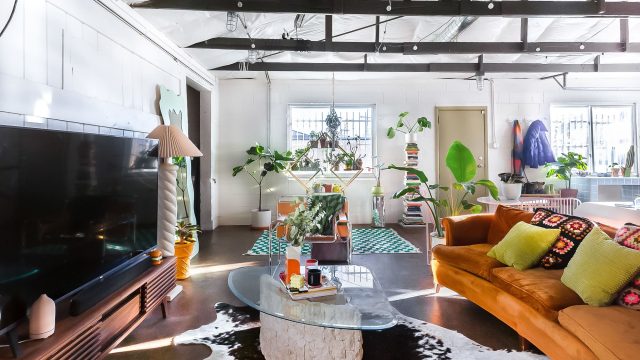 Why Animal-Shaped Rugs Are Bec
Unlocking the World of Imagina
Why Animal-Shaped Rugs Are Bec
Unlocking the World of Imagina
WHY CHOOSE US
The company checks the product quality from the source, and the production process of beauty products can be inspected before leaving the factory The company has a sound after-sales service system, 24-hour online customer service at any time to respond, so that you worry about after-sales!