
Welcome To Our Website
Emerging Home Trends to Watch: Growth Predictions for 2026
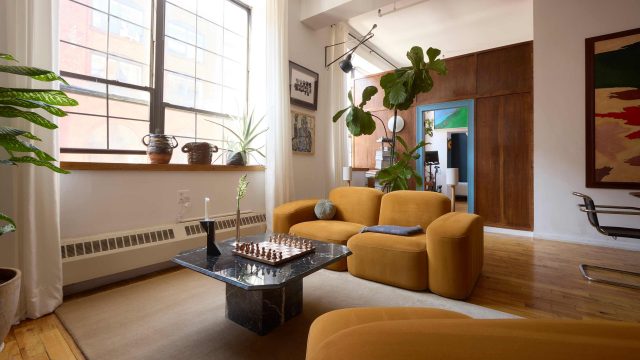
Key Takeaways
- Eco-friendly materials are expected to rise in demand.
- Minimalist design remains a popular choice for modern homes.
- Smart home technology is becoming increasingly integrated.
- Natural elements will play a key role in interior aesthetics.
- Bold colors and textures are making a comeback in decor.
Understanding the Trends
The home design landscape is continually evolving, and as we move closer to 2026, several key trends are emerging. These trends not only reflect current consumer preferences but also respond to global challenges and advancements in technology. In particular, the Southeast Asian market, including major cities like Jakarta, Surabaya, and Bali, is experiencing a surge in demand for innovative home solutions.
1. Eco-Friendly Materials
With a heightened awareness of environmental issues, homeowners are increasingly opting for sustainable materials. From bamboo flooring to recycled glass tiles, eco-friendly options are not just good for the planet but also lend a unique charm to interiors.
2. Minimalist Aesthetics
Minimalism continues to be a strong influence in home design. This trend focuses on simplification and functionality, allowing spaces to feel open and airy. As families in Indonesia embrace this style, they find joy in decluttering and enhancing natural light.
3. Integration of Smart Technology
The rise of smart devices has transformed how we interact with our homes. From security systems to smart lighting, technology integration is becoming a standard feature. In urban areas of Southeast Asia, this trend promotes convenience and enhances lifestyles, particularly for tech-savvy younger generations.
Local Influences on Home Design
The Indonesian market is uniquely positioned to capitalize on these trends due to its rich cultural heritage and natural resources. Local designers are increasingly incorporating traditional motifs with modern design elements, creating spaces that are both functional and culturally relevant. This fusion not only appeals to local residents but also attracts international interest.
4. Emphasis on Natural Elements
Bringing the outdoors inside is a growing trend, with natural materials and greenery playing a central role. Biophilic design is not just about aesthetics; it promotes health and well-being, making spaces feel more inviting and calming.
5. Bold Colors and Textures
While minimalism favors neutral tones, there’s a shift toward incorporating bold colors and rich textures. This can be seen in the use of vibrant fabrics, colorful wall art, and eclectic furniture pieces. These choices allow homeowners in Indonesia to express their personality and create unique environments.
Future Outlook
As we look ahead to 2026, it's clear that the intersection of sustainability, technology, and cultural heritage will define the future of home design. Homeowners in Southeast Asia, particularly in Indonesia, will play a vital role in shaping these trends. Embracing these changes not only supports personal style but also promotes a broader shift towards responsible living.
Conclusion
The predicted home design trends for 2026 reflect a significant shift towards sustainability and technology. As Southeast Asia continues to grow economically, we expect local designers and homeowners to lead the way in adopting these trends. By staying informed and engaged, families can create living spaces that are not only beautiful but also reflective of the times.
 The Future of B2B Toy Distribu
Unique Toy Trends for 2023: Wh
Navigating the Challenges of B
Sustainability in Toy Producti
The Future of B2B Toy Distribu
Unique Toy Trends for 2023: Wh
Navigating the Challenges of B
Sustainability in Toy Producti
WHY CHOOSE US
The company checks the product quality from the source, and the production process of beauty products can be inspected before leaving the factory The company has a sound after-sales service system, 24-hour online customer service at any time to respond, so that you worry about after-sales!