
Welcome To Our Website
Lego's Remarkable Sales Surge: What It Means for the Toy Industry
Key Takeaways
- Lego sales reached historic levels in 2023, defying global market trends.
- The Southeast Asian market, especially Indonesia, shows increasing demand for quality toys.
- Families are prioritizing educational and engaging toys for children.
- Exporters can capitalize on the growing interest in premium toy brands.
- Holiday seasons are critical for boosting toy sales and market visibility.
Introduction: A New Era for Toy Sales
Lego has recently made headlines by achieving exceptional sales growth, eclipsing the overall performance of the global toy market. In 2023, Lego reported a remarkable increase in sales figures, a trend not only limited to its home market but resonating strongly in regions like Southeast Asia. This rise in popularity signifies a pivotal moment for toy manufacturers and exporters, particularly in countries like Indonesia where demand for quality children’s products is on the rise.
Understanding the Factors Behind Lego's Growth
The toy landscape is evolving, and Lego's impressive growth can be attributed to several key factors. Firstly, the increasing emphasis on educational toys among parents has led to a shift in purchasing patterns. Parents in markets such as Jakarta, Surabaya, and Bali are more inclined to invest in toys that stimulate creativity and learning in their children.
The Shift Towards Engaging Toys
Families are now favoring toys that not only entertain but also educate. This trend has been a game-changer for brands like Lego, which offer versatile sets that encourage problem-solving and imaginative play. Moreover, the rise of online shopping platforms has made it easier for parents to access these products.
Strategic Marketing During Key Seasons
Another critical factor in Lego’s success is strategic marketing. The company has effectively leveraged festive seasons to boost sales. During peak shopping periods, such as the holiday season, Lego amplifies its marketing efforts to capture the attention of consumers. This is crucial, as the toy industry typically sees a significant uptick in purchases during these times.
Implications for Exporters in Southeast Asia
For exporters in Southeast Asia, the surge in Lego's sales presents numerous opportunities. With the region's growing middle class and increasing disposable incomes, parents are more willing to spend on high-quality toys. This shift opens doors for both established brands and new entrants looking to make their mark in the toy market.
Potential for Growth in Indonesia
The Indonesian market, in particular, stands out. With a population of over 270 million, the demand for innovative and educational toys is expanding. Exporters can tap into this potential by aligning their product offerings with the preferences of local consumers.
Building Partnerships with Local Retailers
To maximize visibility and sales, forming partnerships with local retailers can be a strategic move for exporters. Collaborating with established retailers can facilitate better market penetration and enhance brand recognition among consumers who seek quality toys.
Conclusion: Embracing the Future of the Toy Industry
As Lego continues to redefine success in the toy industry, its growth story offers valuable lessons for exporters looking to thrive in a competitive market. By focusing on quality, educational value, and timely marketing, exporters can position themselves favorably within the evolving landscape of children’s products. The ongoing trend towards premium toys indicates that the future is bright for those willing to adapt and innovate in the Southeast Asian market.
 Transforming Family Marketing:
 Transform Your Kitchen on a Bu
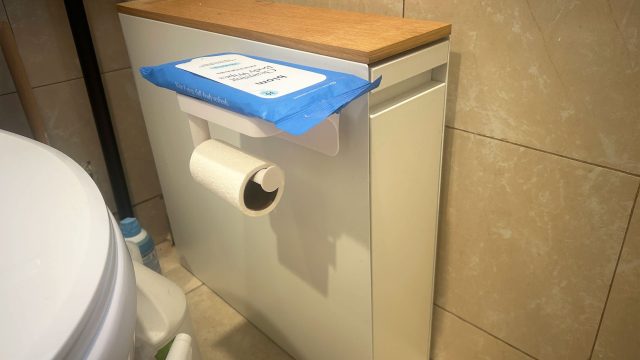 Innovative Storage Solutions f
Lego Surges in Popularity Amid
Innovative Storage Solutions f
Lego Surges in Popularity Amid
WHY CHOOSE US
The company checks the product quality from the source, and the production process of beauty products can be inspected before leaving the factory The company has a sound after-sales service system, 24-hour online customer service at any time to respond, so that you worry about after-sales!