
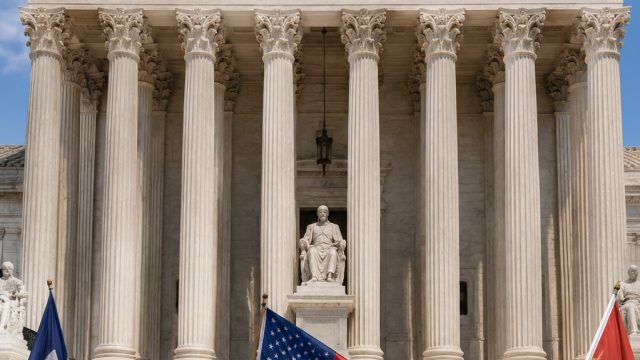
Supreme Court Decision on Religious Rights Sparks Controversy
The U.S. Supreme Court recently made a notable ruling regarding religious freedom within the prison system that is stirring public debate. The court decided that a Rastafarian man, who claimed his religious rights were violated when prison guards forcibly cut his dreadlocks, cannot pursue legal action against those guards. This decision raises significant questions about the balance between prison regulations and the constitutional rights of inmates.
The Case Overview
The case centered on a former inmate who argued that having his dreadlocks cut was not just an infringement on his personal grooming but a violation of his deeply held religious beliefs as a Rastafarian. Dreadlocks, a symbol of his faith and identity, were forcibly removed by prison staff, leading to his legal battle.
Background of the Ruling
In its ruling, the Supreme Court established that prison officials have broad authority to maintain order and security within correctional facilities. This authority often conflicts with the personal beliefs of inmates. The decision came in light of the complexities surrounding the First Amendment, which guarantees freedom of religion but also allows prisons to impose certain restrictions.
Implications of the Ruling
This ruling is particularly significant as it highlights the ongoing struggle between individual rights and institutional authority. As more diverse religious practices become prominent within prison populations, the challenge of addressing these issues will likely grow. Some key implications of this ruling include:
- Precedent Setting: The case sets a precedent that may limit the ability of inmates to challenge prison policies based on religious grounds.
- Increased Tension: The ruling may increase tensions between inmates and prison staff as individuals may feel their rights to practice their faith are being systematically suppressed.
- Future Legal Battles: This decision could lead to a wave of lawsuits from inmates challenging various prison regulations that clash with their religious beliefs.
Public Reaction
The response to the Supreme Court's ruling has been polarized, with many advocating for stronger protections for religious freedoms within the prison system. Critics argue that the decision undermines the very essence of religious liberty, especially for marginalized groups such as Rastafarians. Supporters of the ruling believe it reinforces the necessary structure of security and order in prisons.
Voices from Advocacy Groups
Various civil rights organizations have expressed their discontent, arguing that the ruling disregards the rights of inmates to express their faith. Organizations focusing on religious freedoms are now calling for legislative changes to protect inmates' rights better and ensure that religious practices are respected within correctional institutions.
Conclusion: A Turning Point?
This Supreme Court ruling marks a significant moment in the ongoing dialogue about religious rights and prison conditions in the United States. As society continues to grapple with issues of justice, security, and freedom, this case will likely be referenced in future discussions about the treatment of inmates and their rights. Understanding the implications of this ruling is crucial not only for legal professionals but also for the general public as it could affect how religious practices are viewed and handled in correctional settings.
